
In today’s fast-paced, screen-filled world, playtime can sometimes be overlooked or undervalued. Yet, play is one of the most essential elements in a child’s development. It’s more than just fun; it’s how children explore the world, understand their emotions, build relationships, and develop both cognitive and physical skills. Encouraging your child to play in the right ways can significantly boost their learning and confidence.
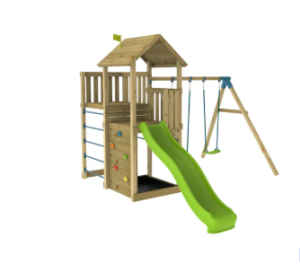
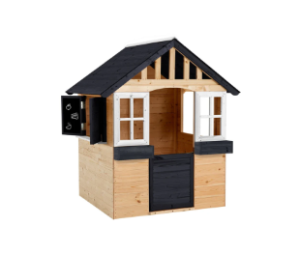
In this article, we explore the best strategies to support your child’s development through play, using engaging ideas that can be adapted to suit any home or lifestyle. Whether you have a bustling garden, a compact flat, or access to local parks, play opportunities are all around – from a cosy Maisonnette to a vibrant Aire de jeux
Why Play Matters
Play is crucial for children’s physical, social, emotional and cognitive development. It helps:
- Build fine and gross motor skills
- Enhance problem-solving and critical thinking
- Foster creativity and imagination
- Strengthen language and communication skills
- Develop empathy and social cooperation
Children learn best when they are engaged, interested and active. Structured learning certainly has its place, but unstructured play is where children truly explore who they are and how they fit into the world.
Strategy 1: Create a Play-Friendly Environment at Home
You don’t need a vast space or expensive toys to encourage play. What children need most is the freedom to explore safely and creatively.
- Designate a play area: This could be a corner in the living room, a bedroom nook, or a sunny spot in a Maisonnette. Fill it with age-appropriate toys, soft furnishings, books, and art supplies.
- Rotate toys regularly: Changing what’s available keeps play fresh and sparks new interest.
- Provide open-ended toys: Blocks, dress-up clothes, and natural materials like sticks and stones encourage imaginative thinking.
Let your child take the lead in their play. Avoid over-scheduling and allow for spontaneous, uninterrupted playtime every day.
Strategy 2: Make Outdoor Play a Daily Habit
Outdoor play is fantastic for building physical strength and coordination while also supporting mental well-being. Nature is a playground in itself.
- Explore your garden or local green spaces: Let your child run, climb, dig, and build. An Aire de jeux, or outdoor play area, is ideal for more adventurous play.
- Incorporate nature-based activities: Encourage bug hunting, flower collecting, or simple gardening tasks.
- Add outdoor equipment if possible: Swings, climbing frames, or even a trampoline can make a small garden into a play paradise.
Being outside also provides children with a healthy dose of independence and resilience. Weather permitting, make outdoor play part of your everyday routine.
Strategy 3: Join In (But Let Them Lead)
Children love when adults show interest in their play. Your presence and participation validate their efforts and build their confidence.
- Be present, not controlling: Let your child guide the game, even if it doesn’t make perfect sense to you.
- Offer gentle suggestions: If your child seems stuck or unsure, offer a prop or ask an open-ended question to reignite their imagination.
- Celebrate creativity: Praise effort over outcomes. “I love the story you told with your blocks” is more powerful than “What a nice tower.”
This collaborative approach nurtures emotional connection and communication, while allowing your child to feel competent and confident in their choices.
Strategy 4: Encourage Social Play
Learning to play with others is key to developing empathy, negotiation skills and patience.
- Host playdates: Invite friends or neighbours over to share toys and games. It could be as simple as a picnic in your Maisonnette garden.
- Visit community play areas: An Aire de jeux offers a structured yet flexible setting for social interaction.
- Teach conflict resolution: Guide your child gently when disagreements arise, helping them express their feelings and find solutions.
Social play doesn’t always run smoothly, but even small hiccups are rich learning opportunities. Children learn to cooperate, compromise, and understand different perspectives.
Strategy 5: Use Play to Support Learning
Play naturally supports the development of core learning skills. With the right tools and a bit of creativity, you can introduce early maths, literacy, and science concepts in playful ways.
- Pretend shops and kitchens: Great for counting, categorising, and vocabulary building.
- Storytime and puppet shows: Help develop listening and narrative skills.
- Building and construction: Use blocks or recycled materials to explore symmetry, balance, and problem-solving.
Integrating play into daily tasks also reinforces learning. Let your child help set the table, sort laundry by colour, or count fruit into a basket.
Strategy 6: Support Emotional Expression Through Play
Play allows children to process their feelings and make sense of their experiences.
- Dramatic play: Costumes and props let children act out scenarios they might not yet have the words to describe.
- Art and music: Drawing, painting, and banging on a drum all support emotional exploration.
- Create a calm space: A quiet corner in your Maisonnette filled with cushions, soft toys and calming activities gives children a safe retreat when they need it.
Watch for themes in your child’s play. It can offer insight into their inner world and let you support them with empathy and understanding.
Conclusion: A Foundation for Lifelong Learning
Encouraging your child to play isn’t just about keeping them entertained. It’s about giving them the tools to become confident, curious, and capable individuals. With a few simple strategies, you can make play an integral part of your child’s development.
Whether they’re creating stories in a cosy Maisonnette or climbing with friends in a local Aire de jeux, every moment of play is a chance to learn, grow, and shine.
So, step back, observe, and join in when invited. Your child’s world of play is a powerful place – and your support makes it even more magical.